
Could this tree become
useful timber?
Do you have a tree you’re considering work on? Start with the reason, speak to the right adviser and explore the options. If timber becomes available, this journey helps you plan its use.
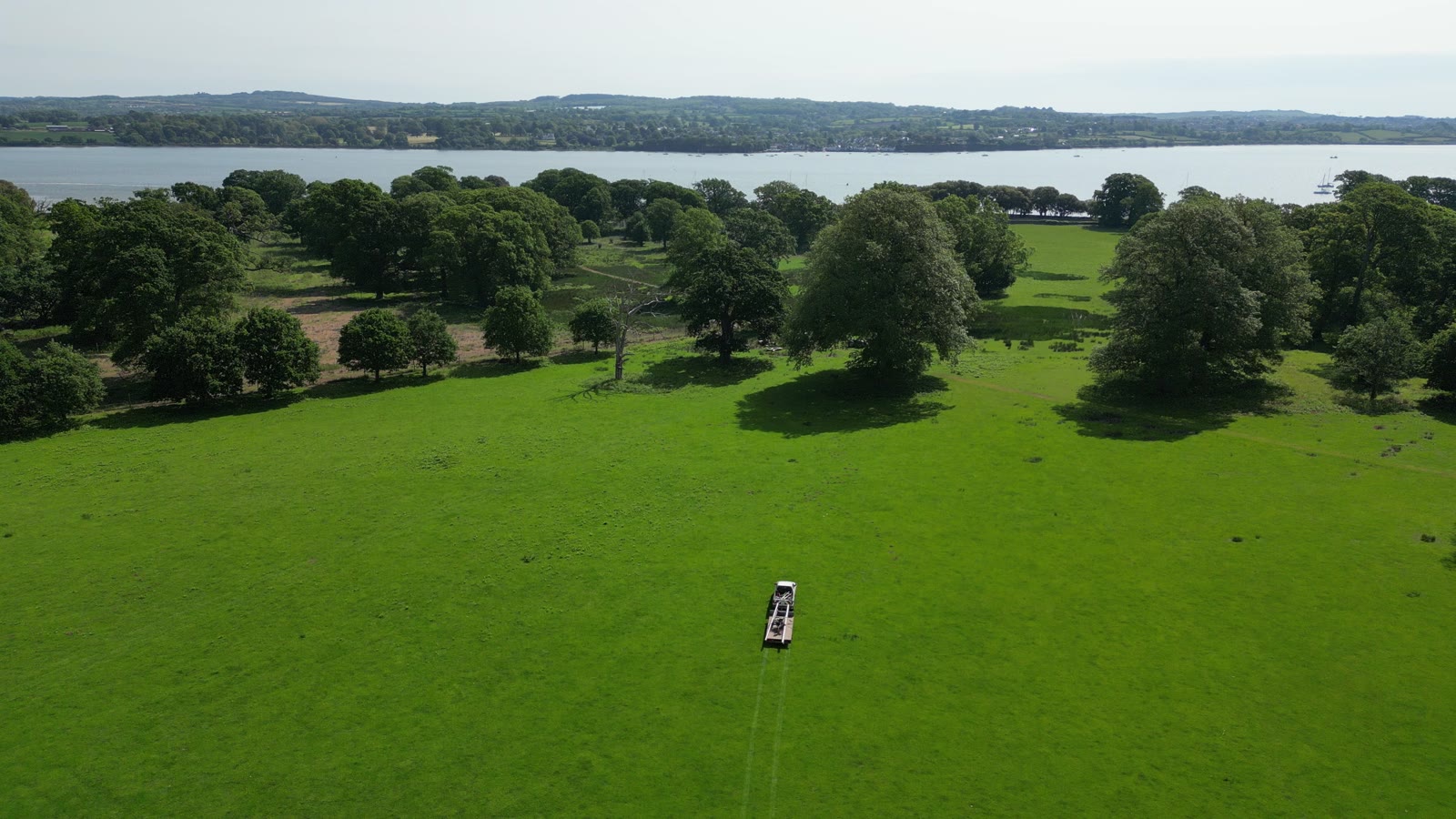
Explore the six stages →From National Sawmills’ original footage. Landscape context; the site and species are not identified.
A tree has a place in the landscape before it has a possible use as timber. Start with the reason for considering work. Keeping it, managing it differently or retaining wood for habitat may be the right outcome.
Three steps to get started
You can begin with a question. You do not need to decide that the tree should come down.
Explain the reason
What has prompted you to consider work—damage, a concern or a woodland plan? Write down your question.
Ask the right person
Speak to an arborist about an individual tree, or a forester about woodland management. Share its location and any existing photos.
Explore the options
Could the tree stay, need different management, or provide timber after justified removal? Agree the checks before arranging work.
Why the management decision comes first
A desired table or building project does not justify felling by itself. The UK Forestry Standard considers biodiversity, soils, water, landscape and people alongside forestry objectives.
The path may stop at the tree
Retain
Keeping the tree may be the right outcome.
Manage
An adviser may recommend a different intervention.
Harvest or recover
Where removal is justified and checks are resolved, explore a use for the available timber.
These are alternatives, not a ranking. Deadwood can provide valuable habitat; a fallen tree need not be removed.
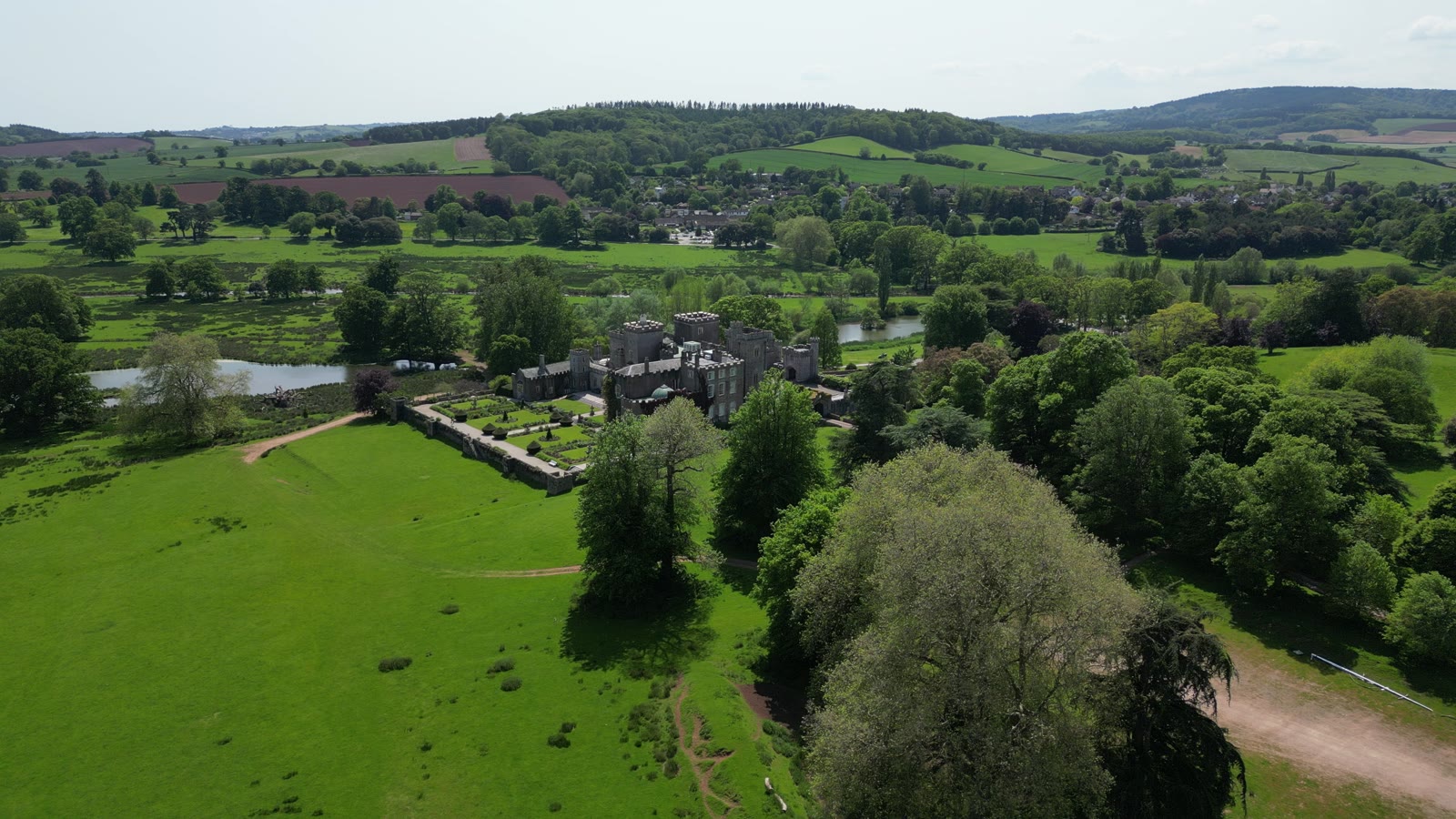
Show the setting, as well as the tree
Send what you already have
The location, ownership and existing photographs give an adviser a starting point. Mention nearby buildings, paths, water and access routes.
If the tree is damaged or unstable, arrange competent assessment before approaching it. You do not need to inspect it yourself.
Wildlife and site checks
Ask about protected species and site constraints. Forestry Commission wildlife guidance covers England; use the appropriate advice for your location.
Check the right permissions
Establish which country the work is in and consult its forestry regulator. Ownership does not settle the permission question. Requirements, exemptions and conditions differ; use current official guidance and ask the regulator where anything is unclear.
Also ask your local planning authority about tree protection and conservation-area controls, and check other relevant site or wildlife consents. The government’s tree-protection guidance for England is a starting point for that country, rather than a UK-wide permission checklist.
Have something in mind?
A table, shelves or repair pieces? Save a reference photo or make a simple sketch. If timber becomes available, show it to a maker or sawyer—the person who saws logs into timber.
An example from our work
Our Great Oak Table account shows oak used for table components. It illustrates a destination, not a reason to fell another tree. Structural uses need appropriate specialist input.
Your first small action
Make one note with the location, your reason for considering work and the question you want to ask. Your outcome at this stage is a management decision: retain, manage differently, or explore justified removal after the required checks.
Next in the journey · 02
From tree to log
Once the management decision and required permissions are resolved, 02 helps you discuss log lengths, access and handling with a sawyer.
Sources and editorial review
Written by Jerry Andrada. Forestry review: Nick Backhouse, BSc Hons Forestry. Official sources checked on 7 October 2026. Links beside the relevant sections distinguish UK woodland guidance from country-specific permissions.
Author and forestry reviewer acceptance confirmed on 7 October 2026. Original images illustrate the setting; they do not establish tree identity, consent, condition or a measured environmental outcome.
About the author and forestry reviewer

Jerry Andrada
Author · Co-founder, National Sawmills Ltd
Jerry has approximately 17 years of practical experience, beginning with an apprenticeship in tree surgery at 18. His work has since spanned arboriculture, forestry, regenerative farming, timber extraction and timber conversion.
He acquired his first sawmill at 25 and has worked with portable bandsaw mills, dedicated slabbers and swing-blade sawmills, including contract sawmilling projects across the UK. Today, he is co-founder of National Sawmills Ltd and the UK representative for Peterson Portable Sawmills.
His contribution to these guides is practical: how timber can be accessed, extracted and converted at or close to its source, and what that involves in working conditions.
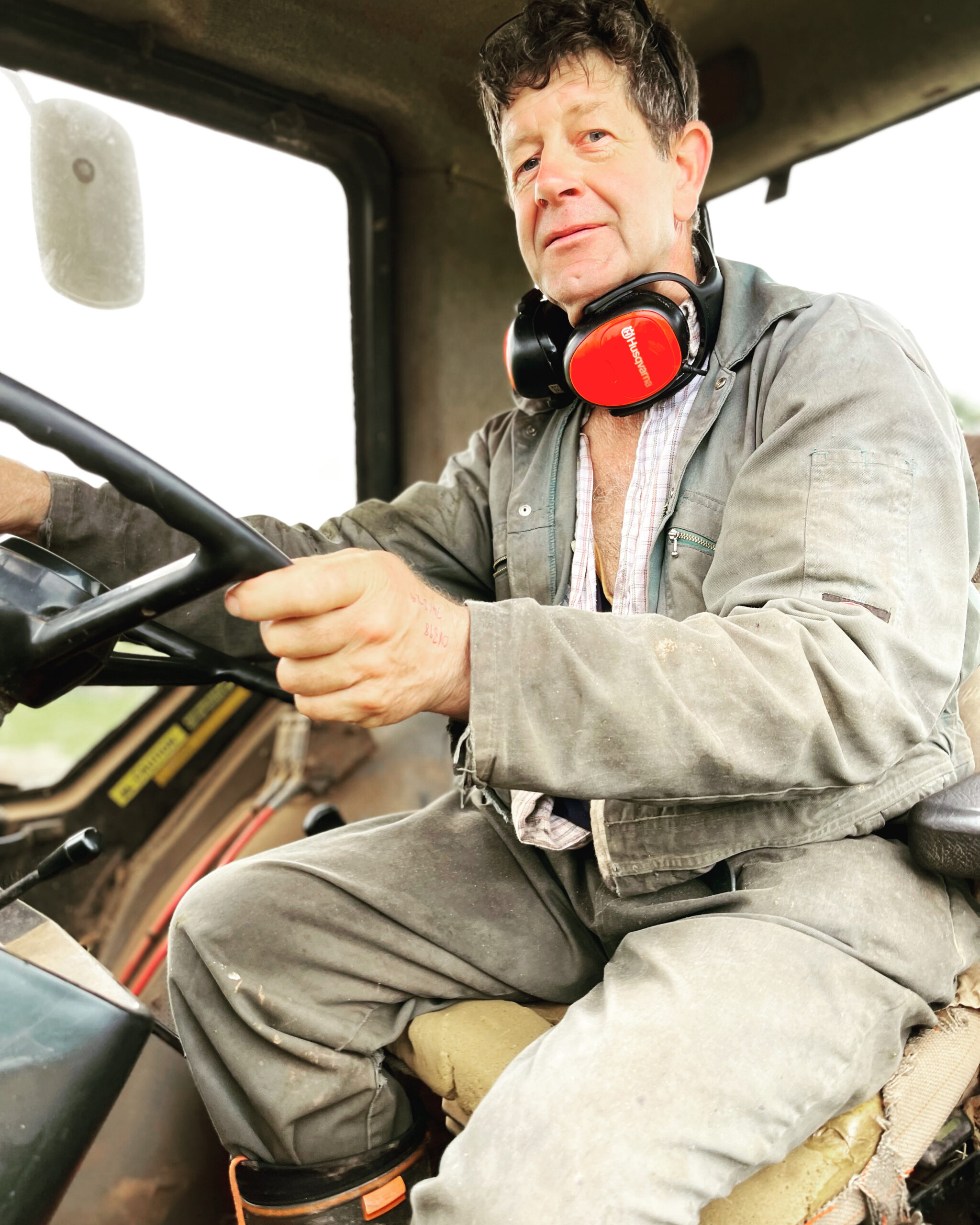
Nick Backhouse, BSc Hons Forestry
Forestry Reviewer · National Sawmills Ltd
Nick Backhouse graduated with a BSc in Forestry from University College of North Wales, Bangor, in 1989.
Following graduation, Nick applied his forestry education at Grantland Farm in Devon, integrating forestry and woodland management within an established working agricultural holding.
Woodland and agriculture have continued to be managed alongside one another at Grantland, giving Nick more than three decades of practical forestry experience within a working farm environment.
Nick also served as a Captain in the Devonshire and Dorset Regiment of the British Army, including service in Northern Ireland.
He now reviews National Sawmills’ educational content from the perspective of his formal forestry education and long-term practical experience at Grantland Farm.
Jerry Andrada and Nick Backhouse have approved the hub and all six guides. Author and reviewer acceptance confirmed on 7 October 2026. Individual trees, sites and intended timber uses still require their own assessment.