
Marston Vale sawmill demonstration: a local timber economy
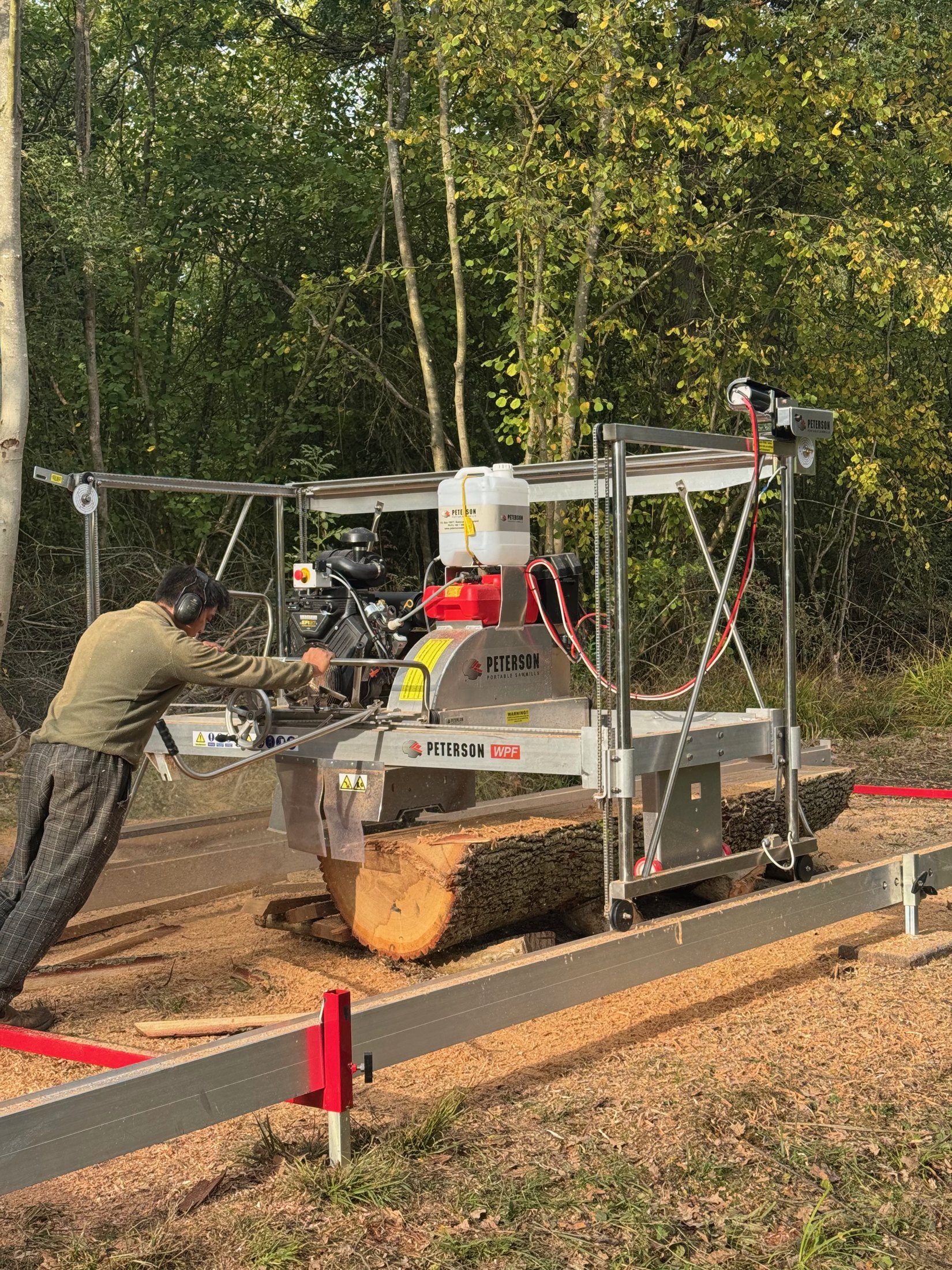
Our Marston Vale sawmill demonstration brought woodland care, estate diversification and a nearby building project into the same conversation, with the Peterson WPF 12-inch mill at its centre.
The connections were already there.
Luke Quenby, local estates exploring diversification, and a couple renovating a nearby farm who needed building oak. Around the mill were people who could help connect woodland timber with local use.
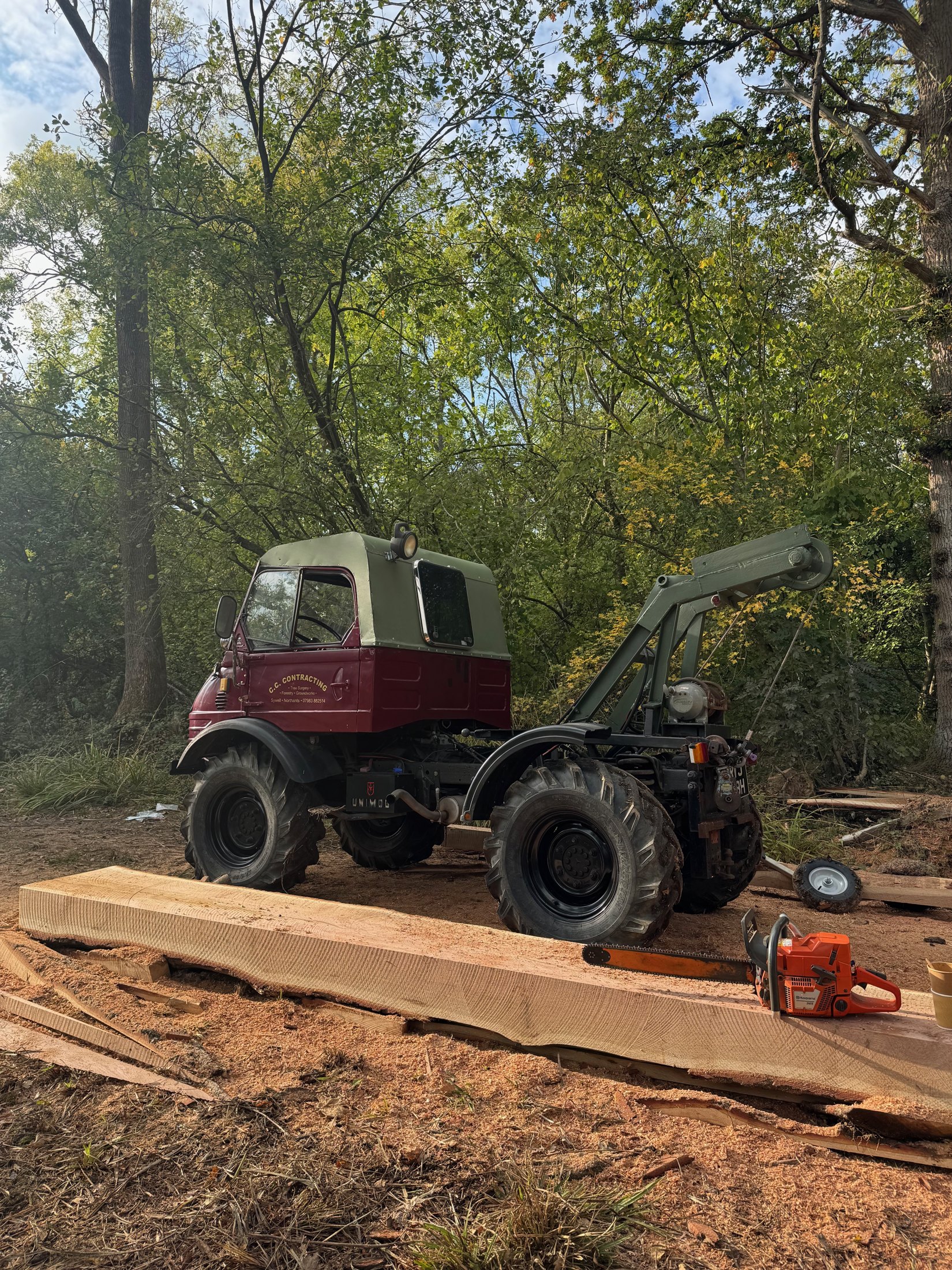
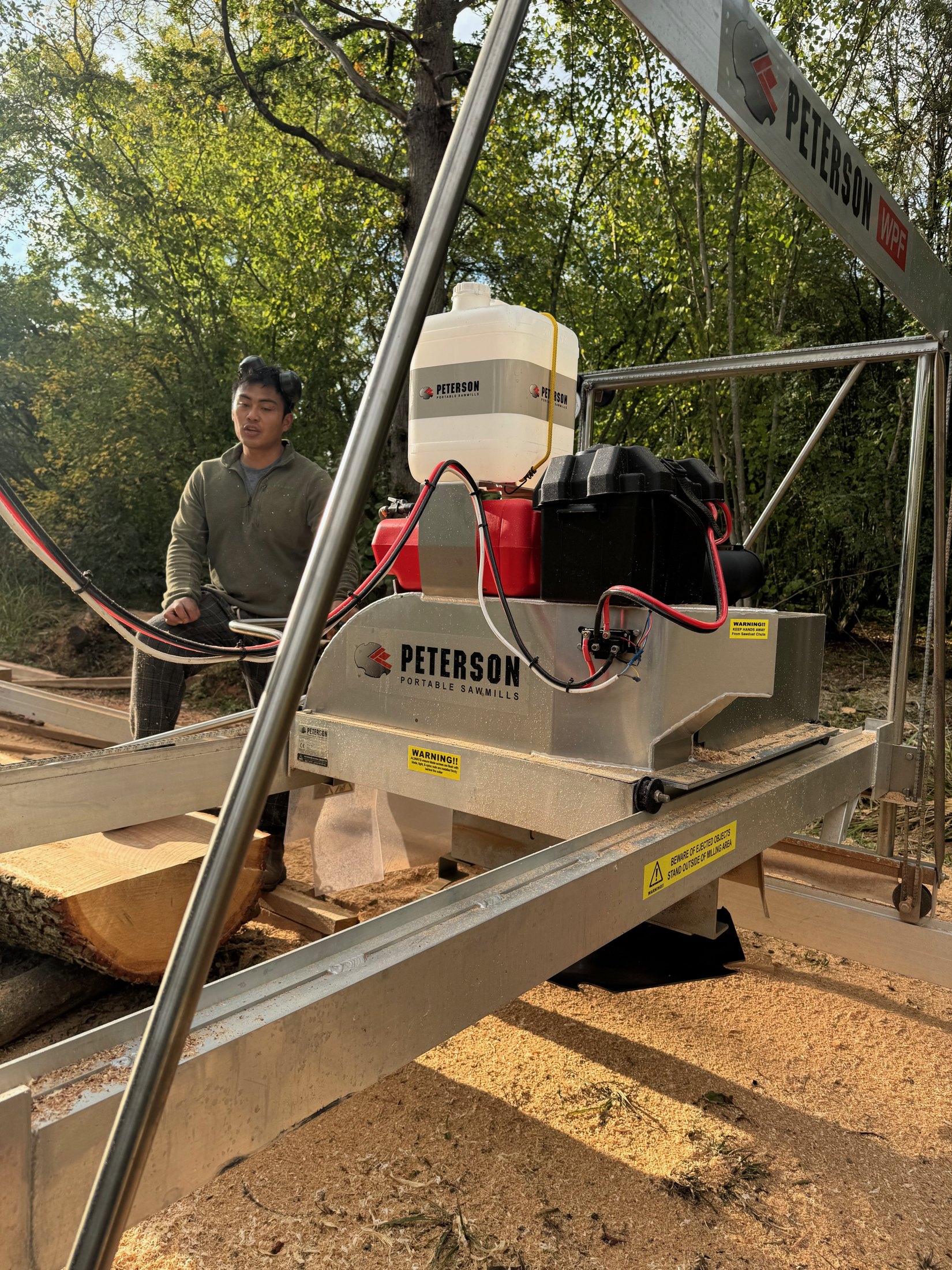
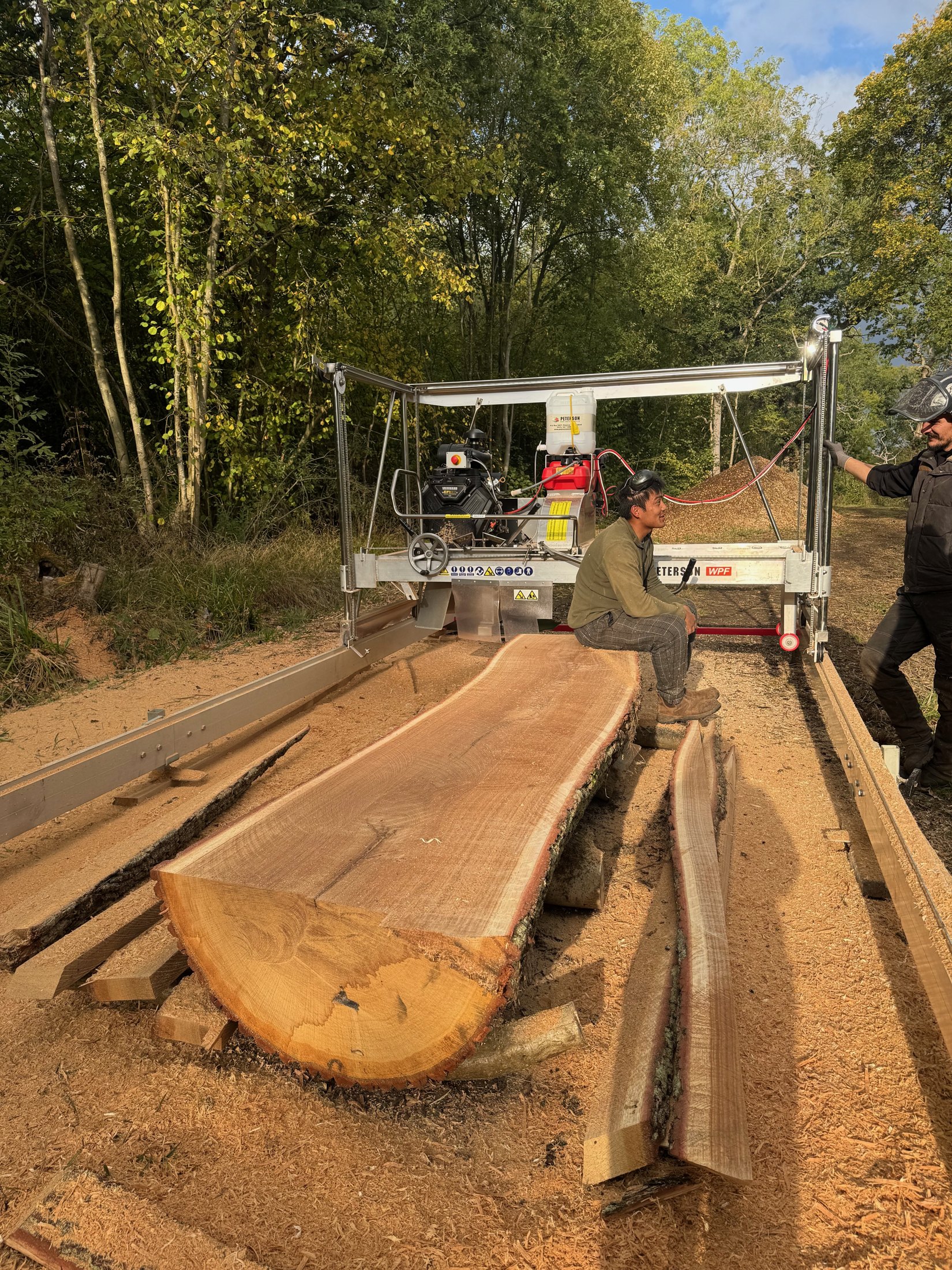
Photos from the Marston Vale sawmill demonstration
View full photograph
View full photograph
View full photograph
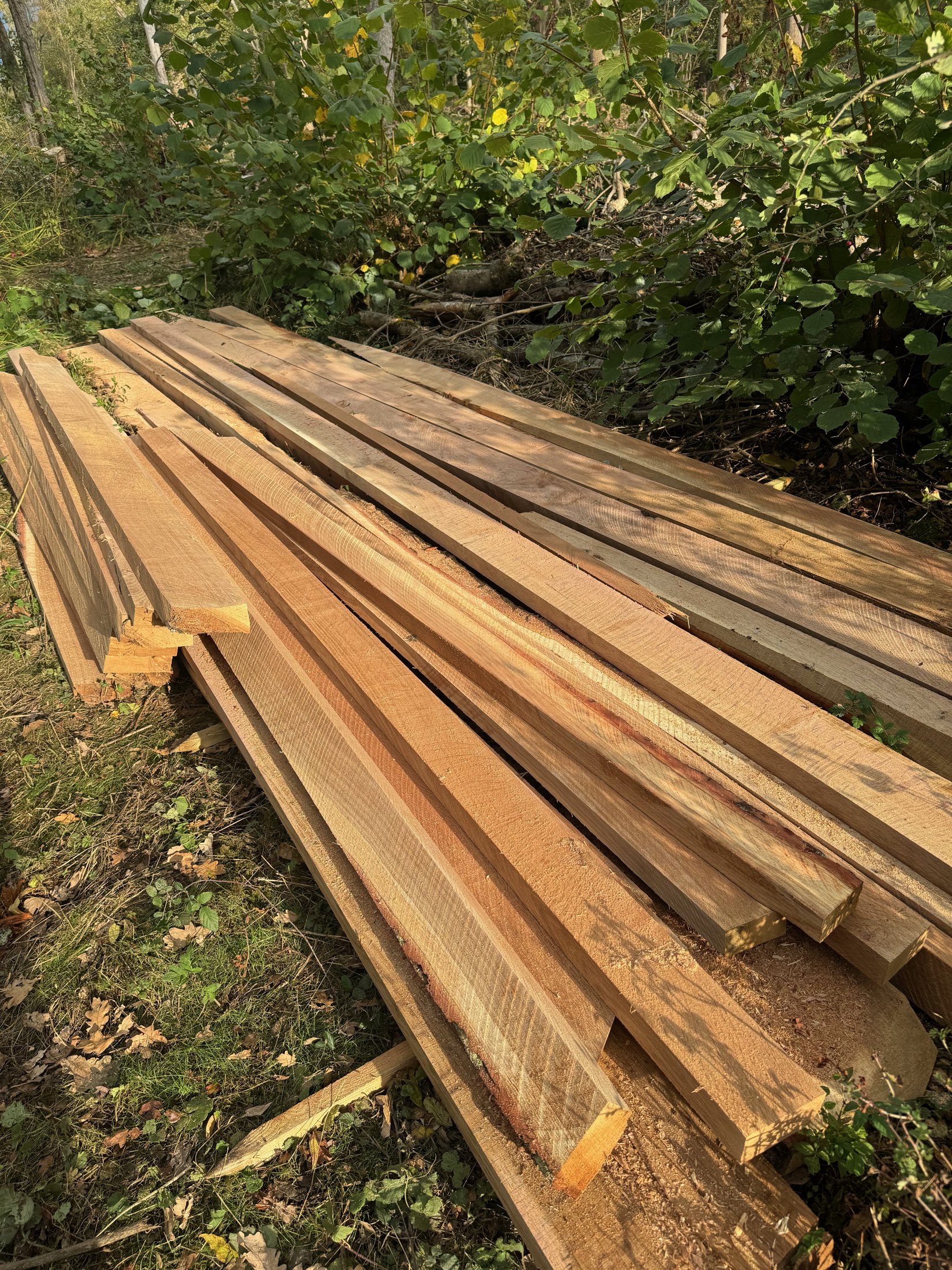
View full photograph
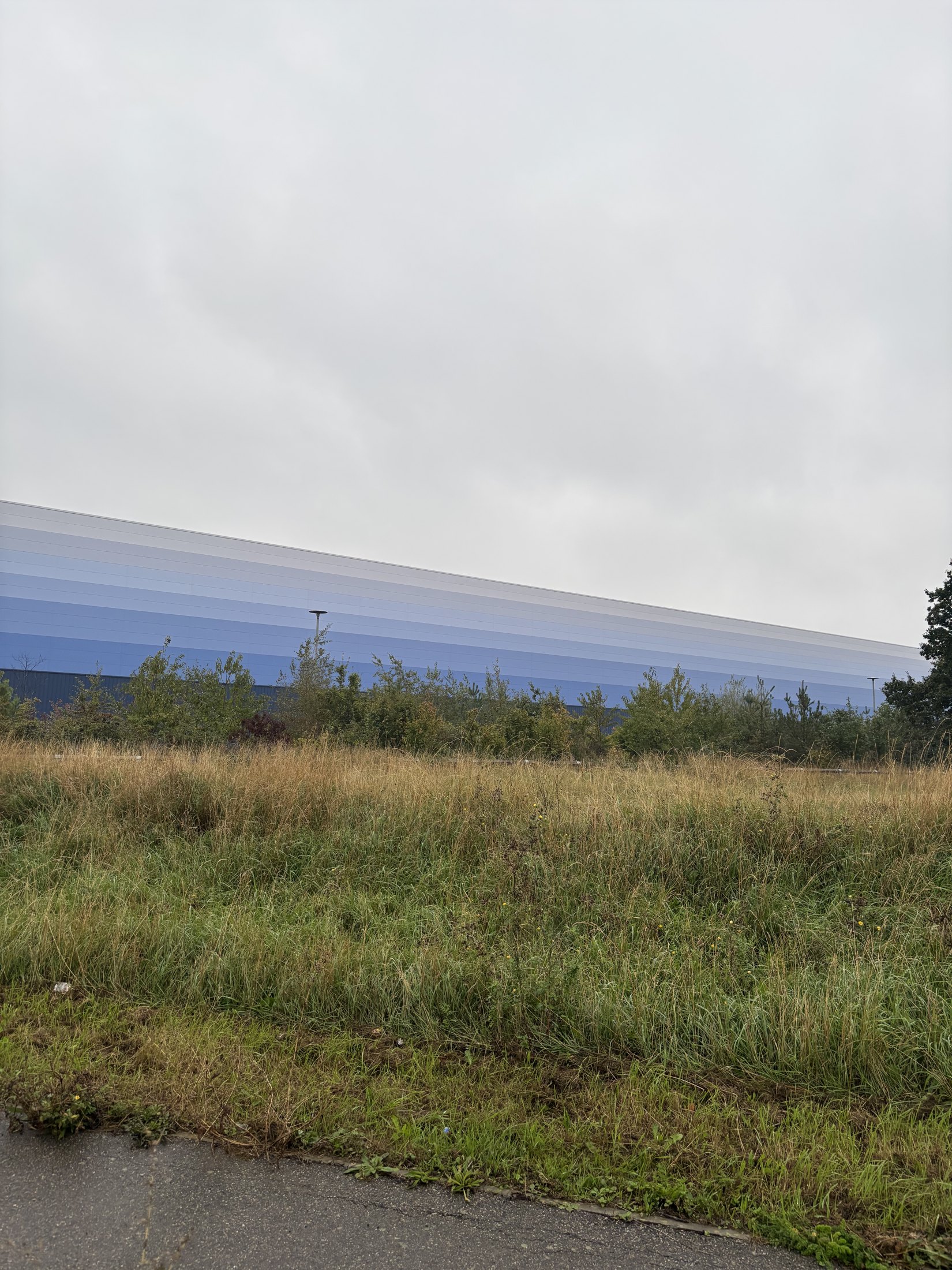
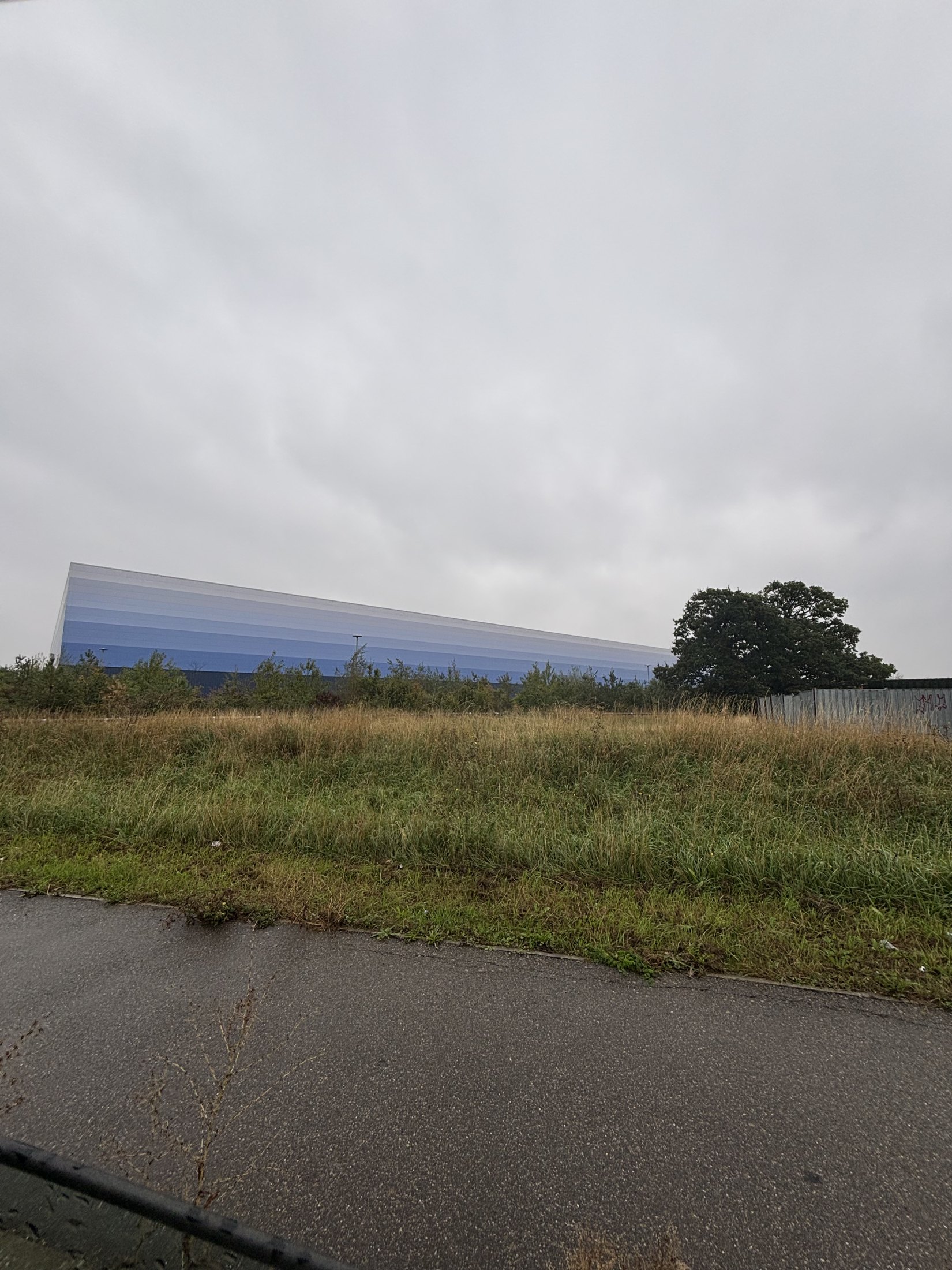
Travelling through the area around Milton Keynes during our Bedfordshire visit, I was struck by the size of the warehouses. Vast buildings dominated stretches of the landscape, with new housing close by. Everything seemed organised around practicality and efficiency.
For some homes, those enormous buildings formed part of the view beyond the garden. To me, parts of the landscape felt almost dystopian. It made the work of the Forest of Marston Vale team feel all the more important.
Growing a forest in a changing landscape
There is a David and Goliath quality to the story. Against the sheer scale of development, the Forest team is planting trees, caring for habitats and making room for people and wildlife.
The Forest of Marston Vale Trust is helping regenerate 61 square miles between Bedford and Milton Keynes. Its work began in a landscape shaped by brickmaking, clay pits and landfill. Today, its ambition is to reach 30% tree cover by 2050, while acknowledging that more homes and businesses will continue to arrive.
Planting is only the beginning. Looking after those woodlands is a long-term commitment, and that is where conversations about skills, timber and local processing become especially relevant.
The Marston Vale sawmill demonstration in practice
On 19 October, we demonstrated the Peterson WPF 12-inch portable sawmill. Luke Quenby joined us alongside people from local estates looking at diversification. There was also a couple renovating a nearby farm who were looking to obtain oak for building purposes.
The mill gave those conversations a practical focus. With a log on the bed and sawn timber to examine, people could see the process and consider where it might fit into their own work.
For an estate, that might mean exploring another use for suitable timber. For a farm renovation, it might mean finding a local source of material. Our Stuart Summerell farm timber case study explores a related question: what is involved in producing timber for farm outbuildings? For woodland managers, it opens a conversation about how timber arising from appropriate management can find a useful market.
Within that group, the beginnings of a local circular system were already present.
From woodland care to local use—and back again
Support healthy habitats through appropriate long-term management.
Connect available logs with the equipment and skills to process them.
Match suitable material with real needs, including farm and estate work.
Timber income can help fund ongoing woodland work.
A potential local cycle illustrated by the conversations at the demonstration.
Connecting the people who grow, process and use timber
That was the most encouraging part of the day. We had people caring for woodland, people considering timber production, and people with a building project that needed timber—all gathered around the same machine.
Those connections are the foundations of a stronger local timber economy. They create the opportunity to match suitable material with a use, develop practical skills and keep more of the value of timber within the area.
The Forest already makes this connection in its own work. Its woodland enterprise describes how income from timber products helps fund woodland management and woodland creation. Portable sawmilling can contribute to that wider picture where the timber and intended use are a good match. Our guide to converting logs into boards and beams explains how an intended use becomes a cutting brief.
Turning an opportunity into a supply arrangement still takes planning. Assessing the log, agreeing dimensions, and planning drying and storage all matter, alongside suitability for the intended building use. What Marston Vale showed was that the people needed to begin those discussions were already in the same place.
What the Marston Vale demonstration showed
The warehouses were a reminder of how quickly a landscape can change. Luke and the Forest team were a reminder of the patience and commitment needed to care for it.
Our part was to demonstrate a practical tool. The wider opportunity belonged to the people around it: connecting woodland management with useful timber, local projects and new possibilities for estates and farms.
That is why these demonstration days matter to us. Seeing a sawmill work can be the beginning of a much bigger conversation about what local timber could become.
Plan your own timber project
Follow the questions raised at Marston Vale into practical guides for your own tree, log or building project.
Need timber processed for a project? Explore contract milling enquiries.
With thanks to Luke Quenby, the Forest of Marston Vale team and everyone who joined the demonstration. Find out how to support the Forest’s work.