
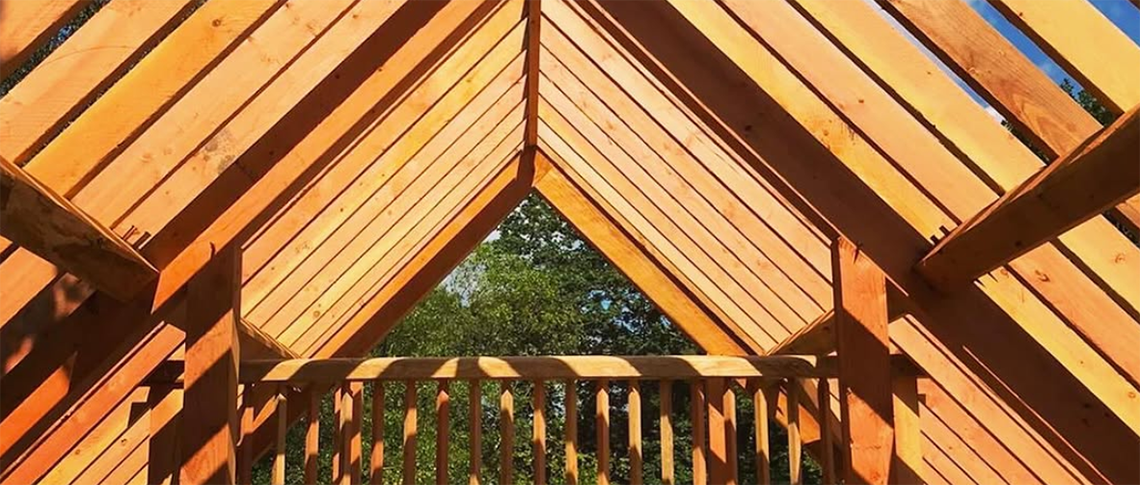
Stuart Summerell’s farm timber project began with plans for new outbuildings at North of Nowhere Farm. Because he needed timber for a wider diversification project, he explored milling as an alternative to buying the finished material. This case study records the approach and the questions it raises for other farm building projects.
For his farm timber project, Stuart obtained a quote of £150,000 for the outbuildings. This was the reported timber quote, rather than the complete build cost. However, that quote alone does not establish a saving from milling. A fair comparison also needs the cost of logs, equipment, labour, drying and any grading required.
A timber quotation covers more than the raw logs. For example, processing, drying, grading, transport and handling can all contribute to the finished product. These services have a purpose, so their cost is not automatically wasted value. Instead, the useful question is which tasks a farm can undertake itself and which need specialist support.
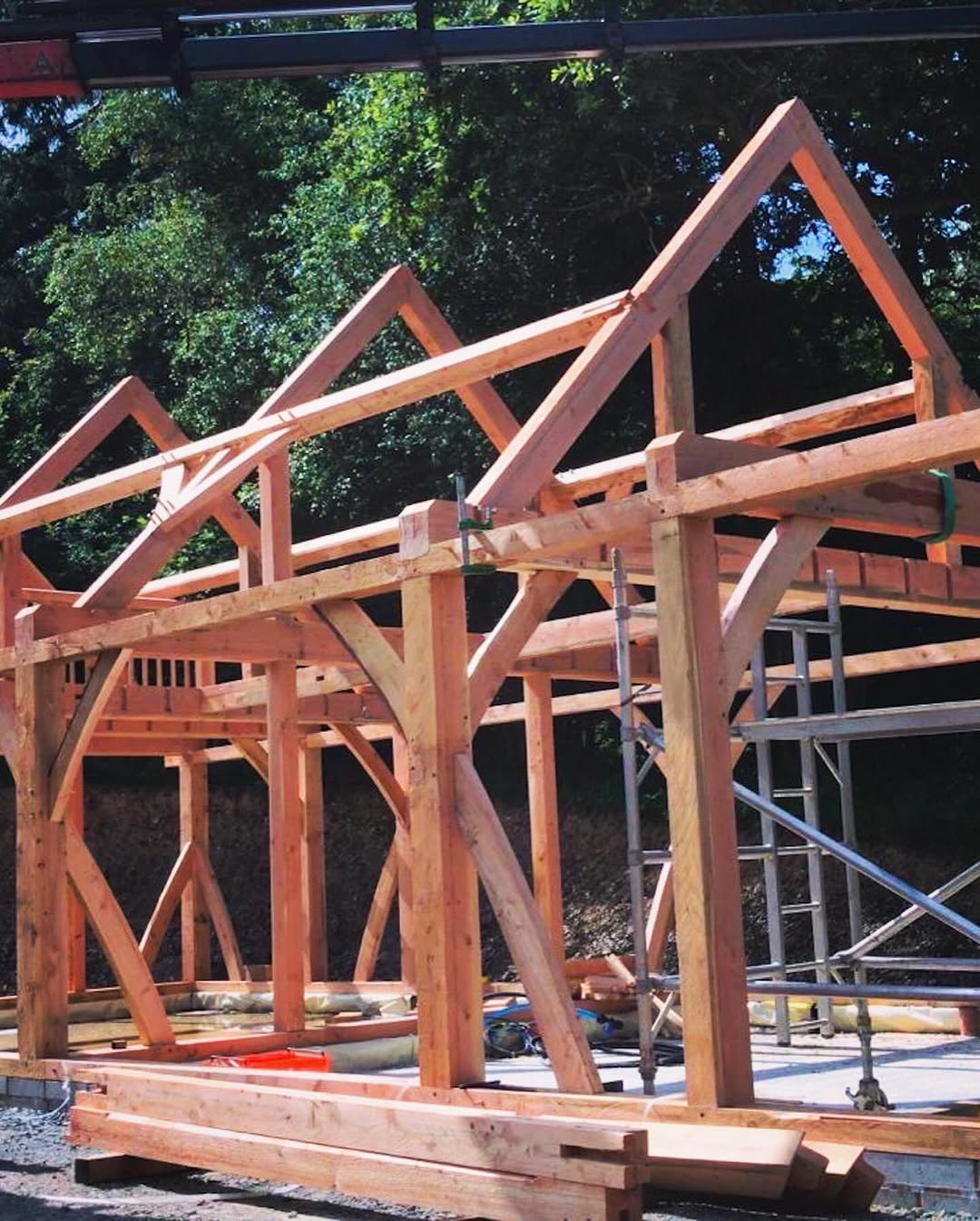
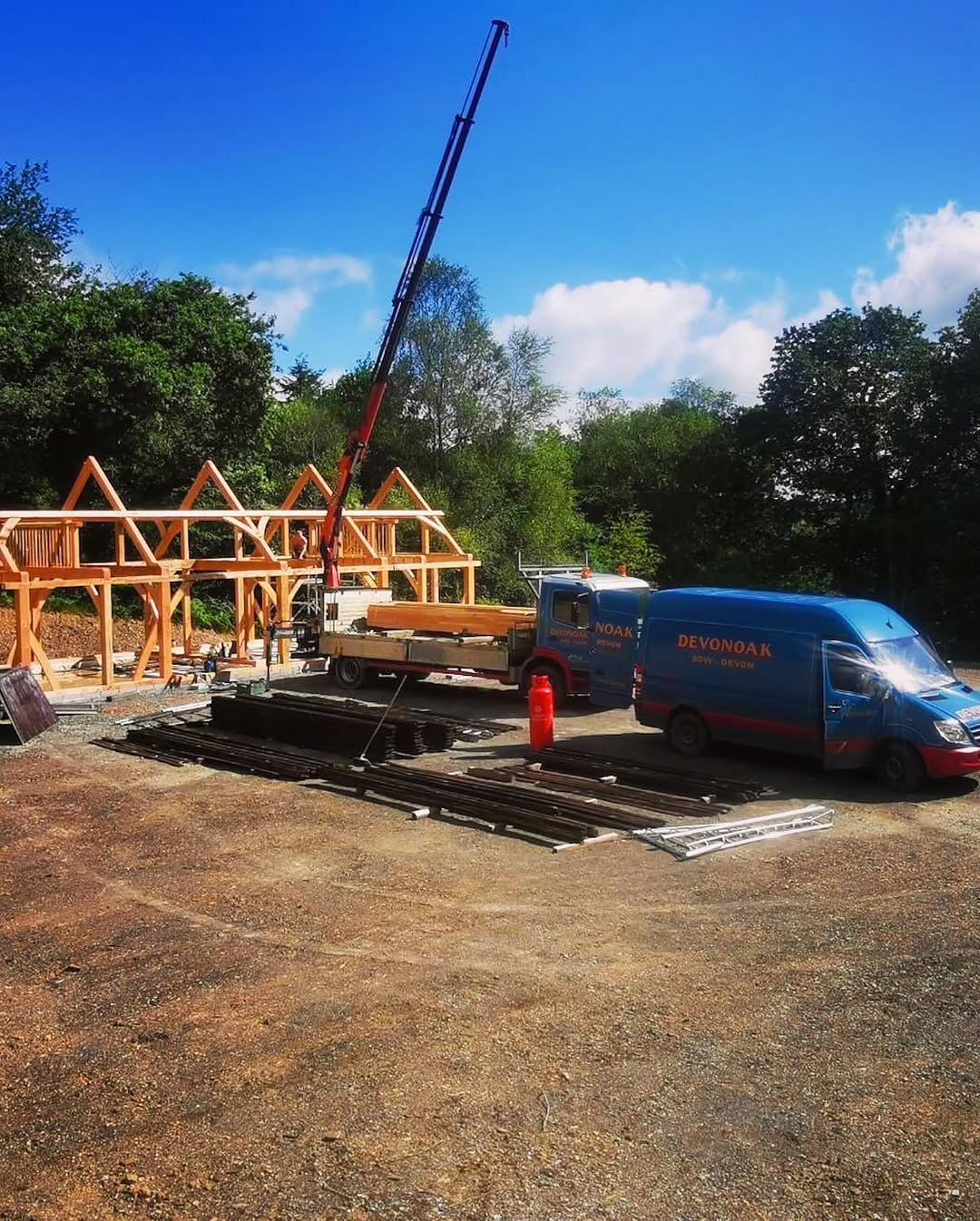
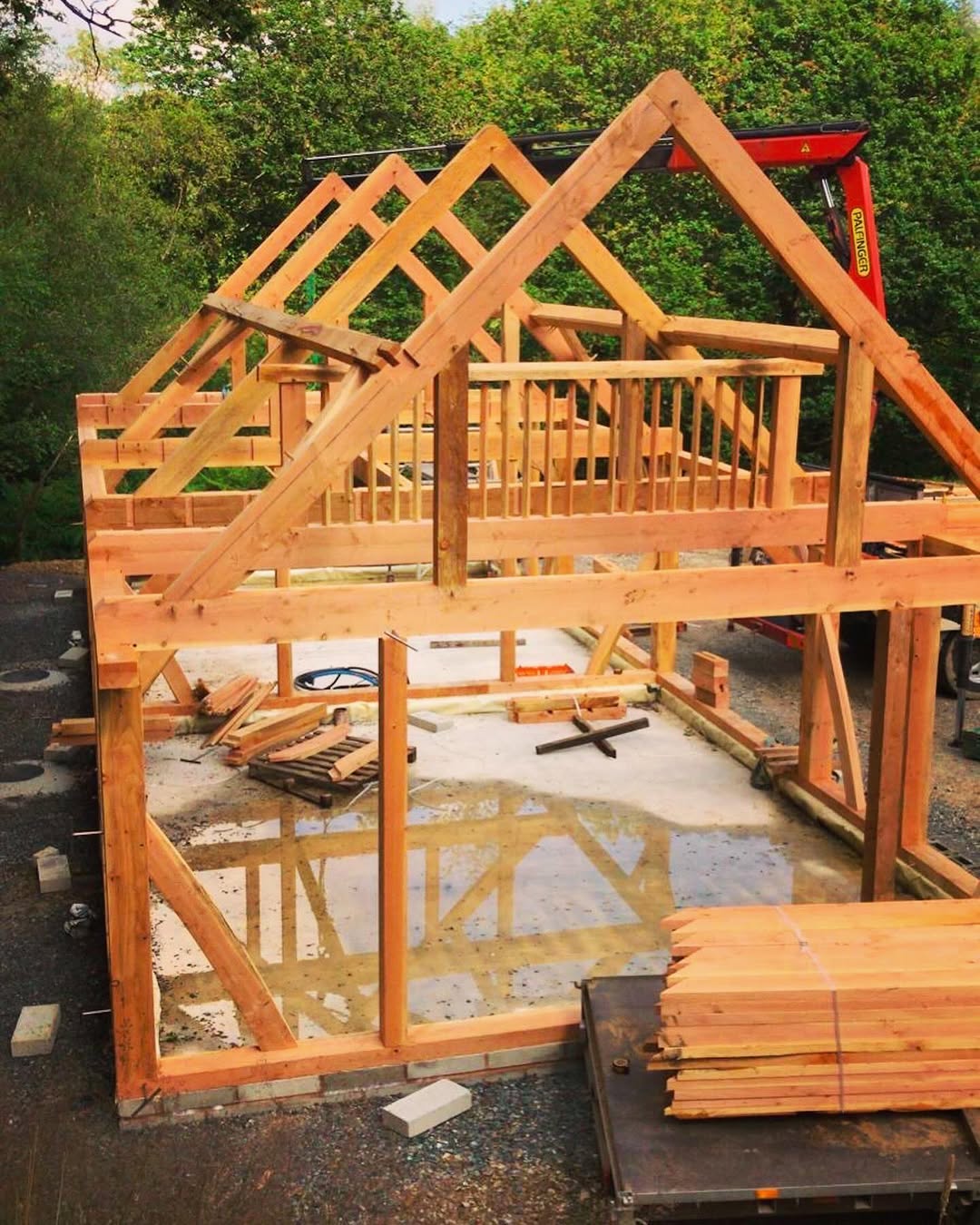
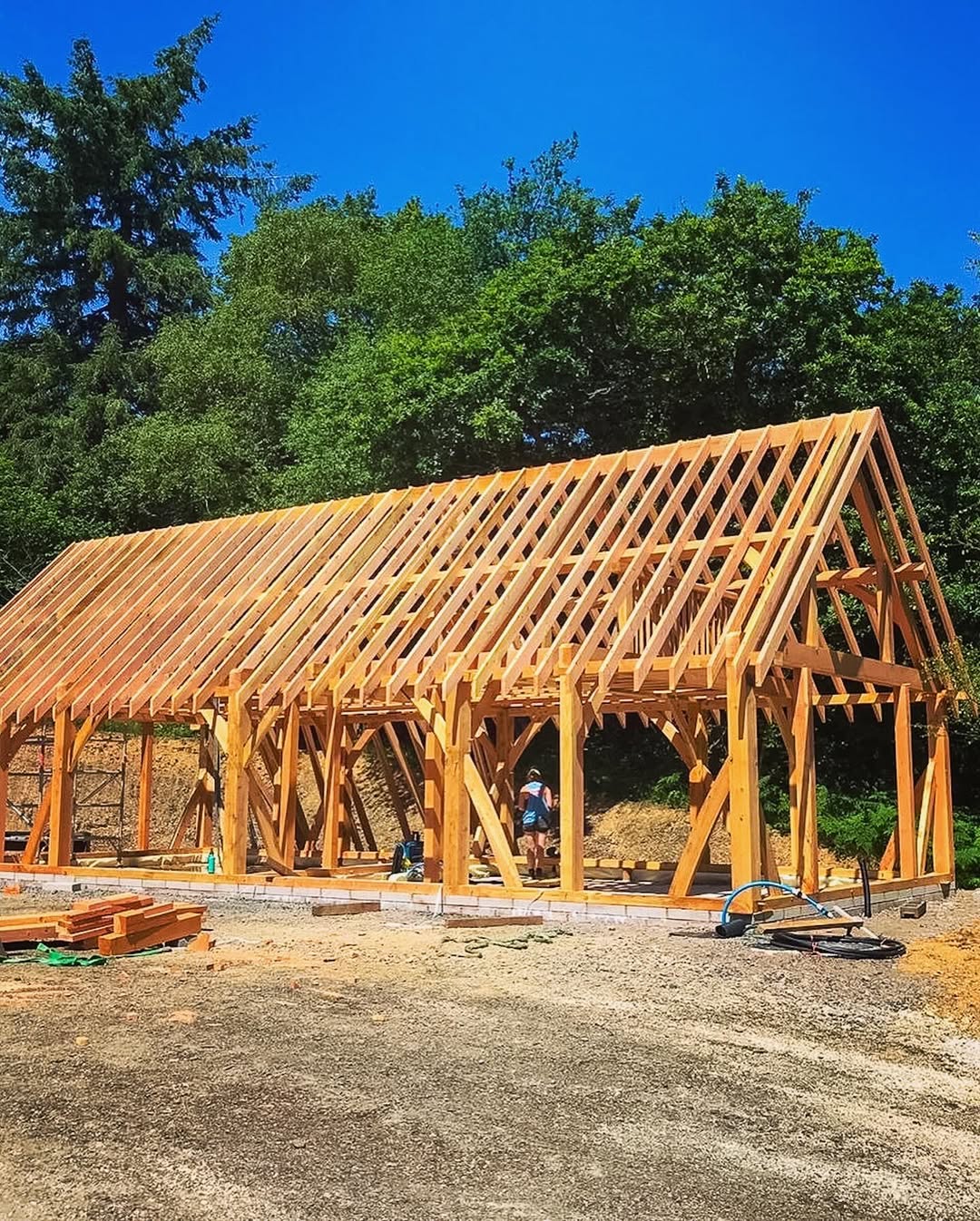
Instead, Stuart chose to produce timber using a Peterson sawmill. For example, the project photographs show timber framing and trusses during construction. However, milling a log does not by itself establish suitability for structural use. The specification, drying and grading therefore need appropriate professional input for each building.
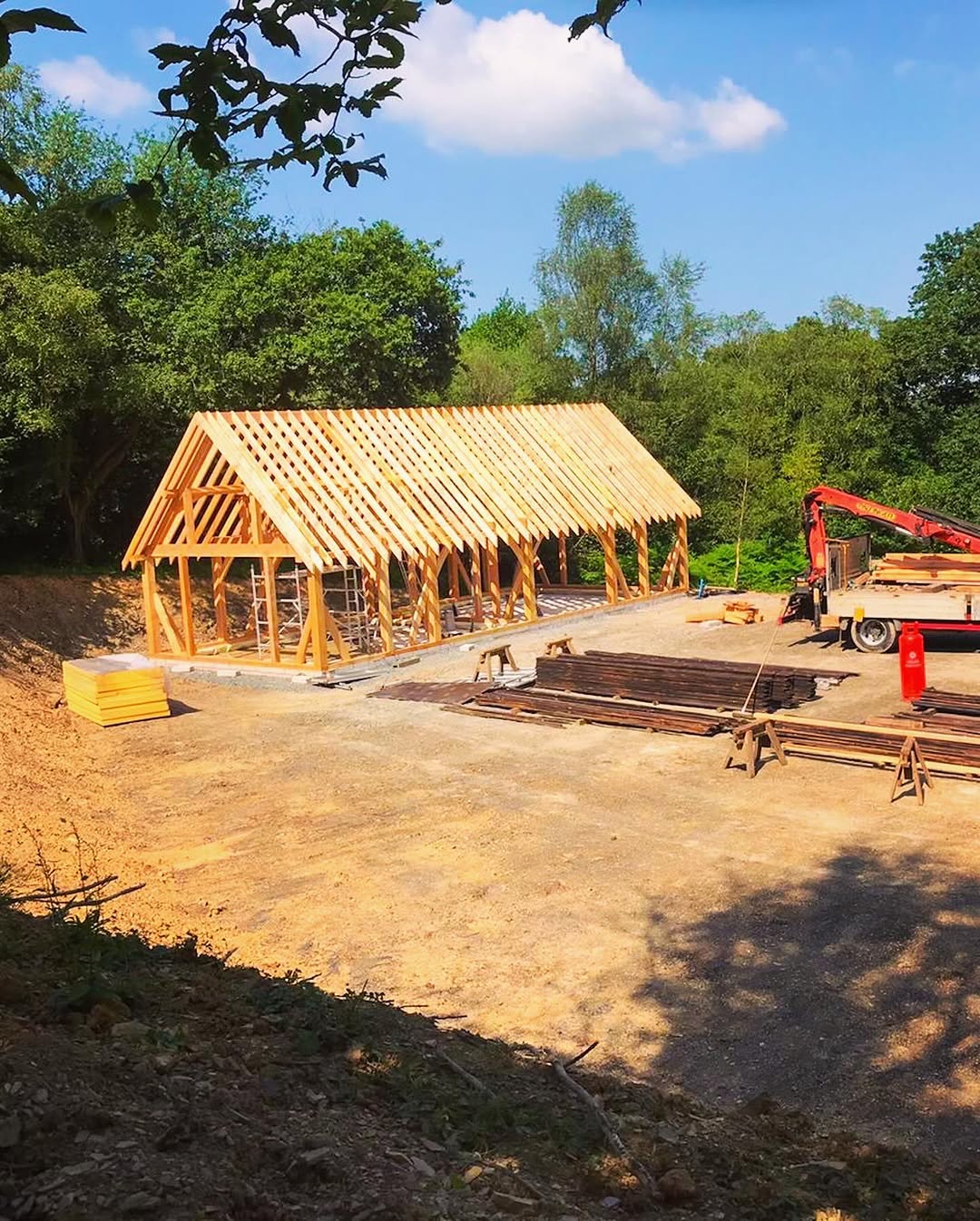
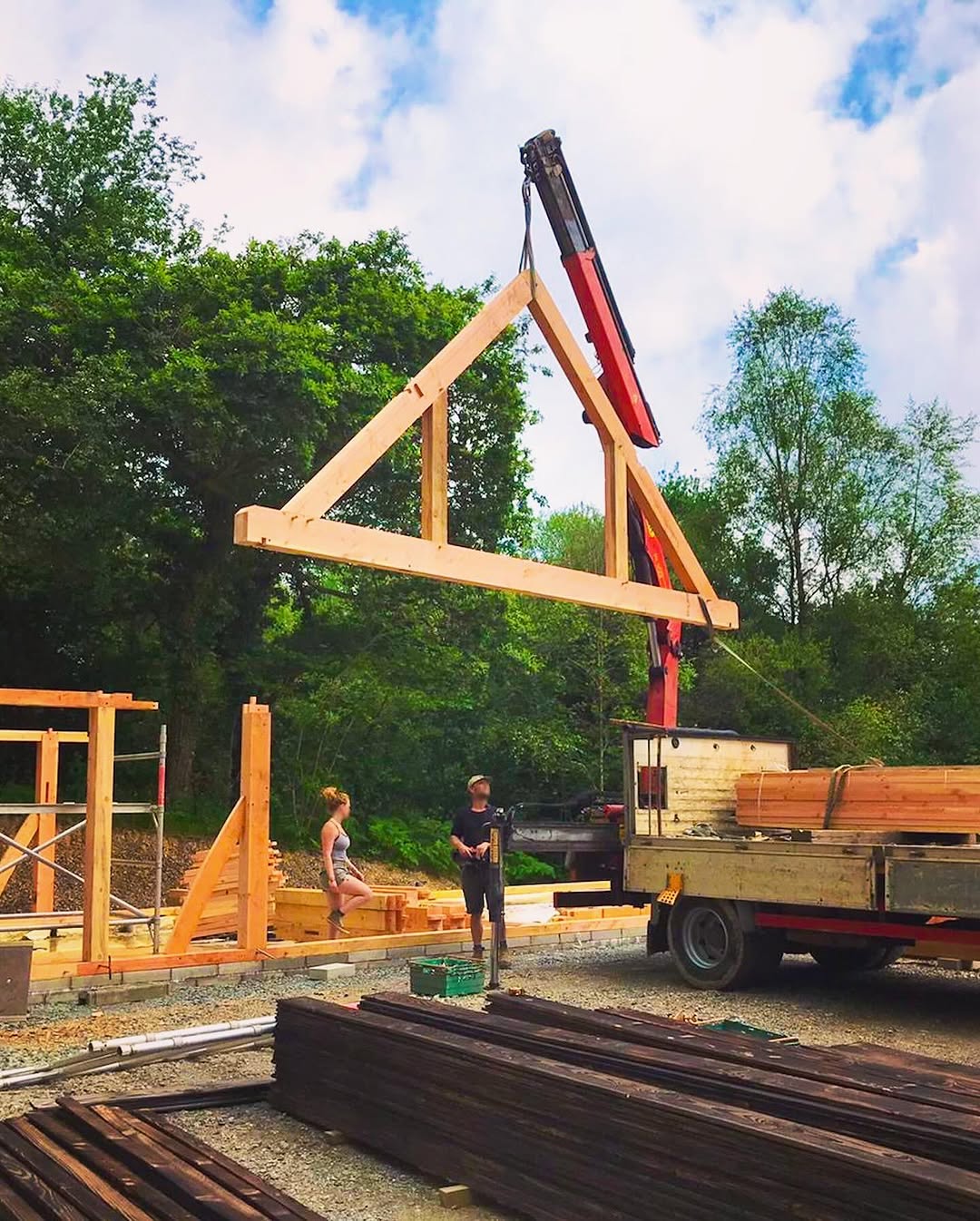
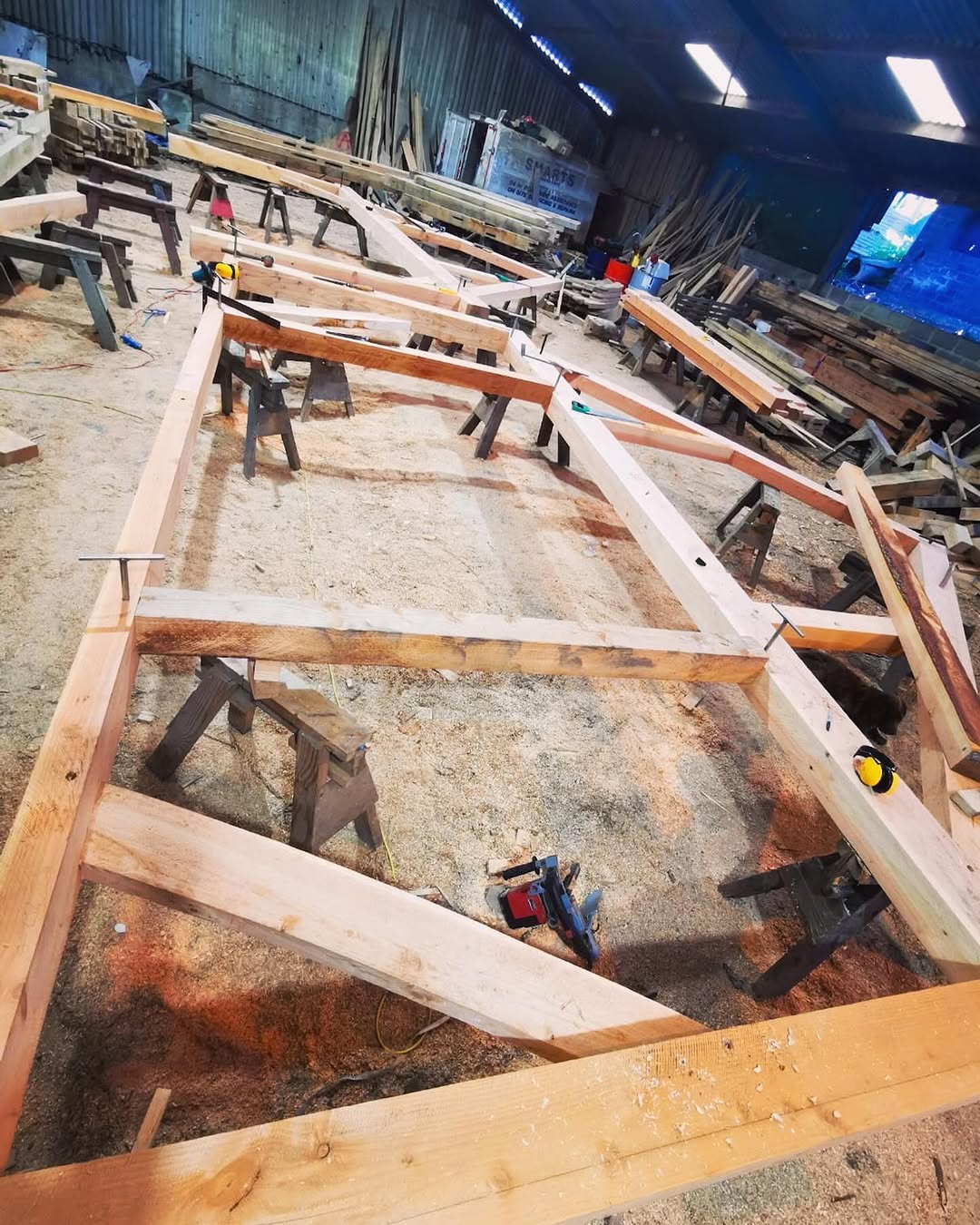
Original timber quote:
£150,000
Reported total project value:
£1,000,000
Timber:
Produced on-site using a
Peterson Sawmill
The farm timber project used a different route to obtain building material. However, the £150,000 quote is not a verified net saving. We have not published a matched account of the timber supplied and the full cost of producing it. Therefore, these figures should be read as project context, rather than a return-on-investment calculation.
This example shows an alternative way to organise timber supply. Before choosing a similar approach, consider the following parts of the project:
Milling brings additional tasks into the project, so it requires time, skills and a suitable working area. If those resources are limited, buying finished timber or using a contractor may be more practical. Therefore, compare the available logs and resources with the building specification before choosing a route.
One farm timber project cannot establish a national trend. For wider context, the government’s Timber in Construction Roadmap 2025 discusses homegrown timber, strength grading and construction skills in England. It does not verify this project’s costs or approve its structural design.
For a similar project, begin with the intended use, the available timber and the work needed between log and finished product.
Portable milling is one option where the logs, site access and intended products suit the equipment. It complements other ways of sourcing and processing timber.
Before committing to a milling route, compare the full cost and practical requirements with buying finished timber. For example, include operator time and the work required after sawing.
Could milling suit your farm building project?
This didn’t happen in isolation.
What would have been a cost became a resource already within reach.
Ready to take control of your timber supply? Find the right sawmill for your farm.